ARTICLE
What Large-Scale Precast Infrastructure Demands of Detailing
Government infrastructure programmes are specifying precast concrete for more of the structure than before. Here is what that shift actually demands from detailing, connections and traceability, once the forecasts are set aside.
Why precast is taking on more infrastructure work
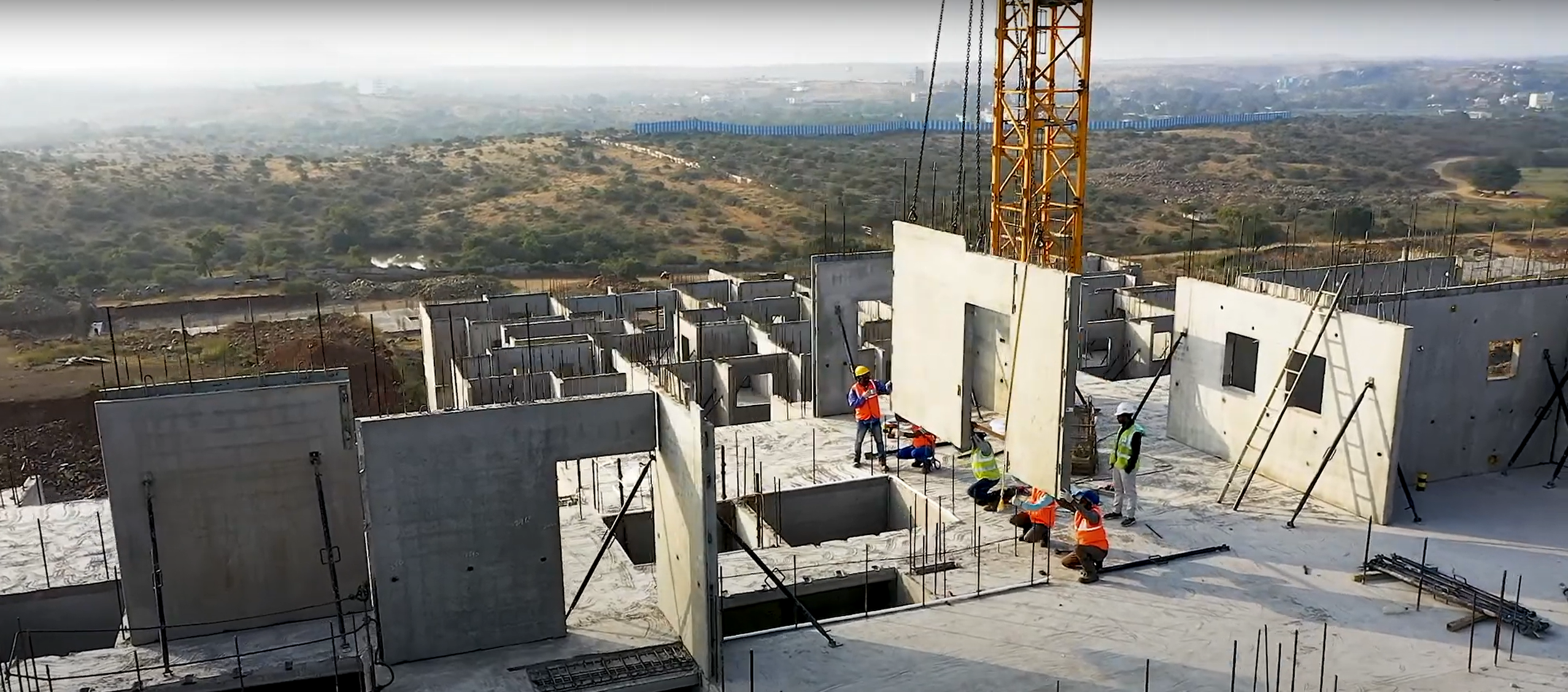
Large infrastructure programmes — bridges, tunnels, highway structures — are specifying precast concrete for more of the structure than they used to, and the reasons are consistent across the countries doing it: casting in a controlled environment gives more repeatable quality than casting on site, it moves labour and risk off a live site and into a plant, and it lets fabrication run in parallel with site preparation instead of waiting for it. India's own infrastructure programme has moved firmly in this direction for bridges, tunnels and highway works, matching a pattern already established in precast-heavy markets elsewhere. The scope now extends beyond the primary structure too, to culverts, retaining walls, noise barriers and the utility structures that accompany a highway or rail corridor, all of it drawing on the same case for controlled-environment casting.
None of that is a new argument for precast generally — the case for casting elements off-site has been made for decades in the building sector. What is comparatively new is the scale: national highway, metro and tunnel programmes now specify precast for structural elements numbering in the hundreds or thousands per project, which changes what correct detailing has to mean.
What changes when precast moves from buildings to infrastructure
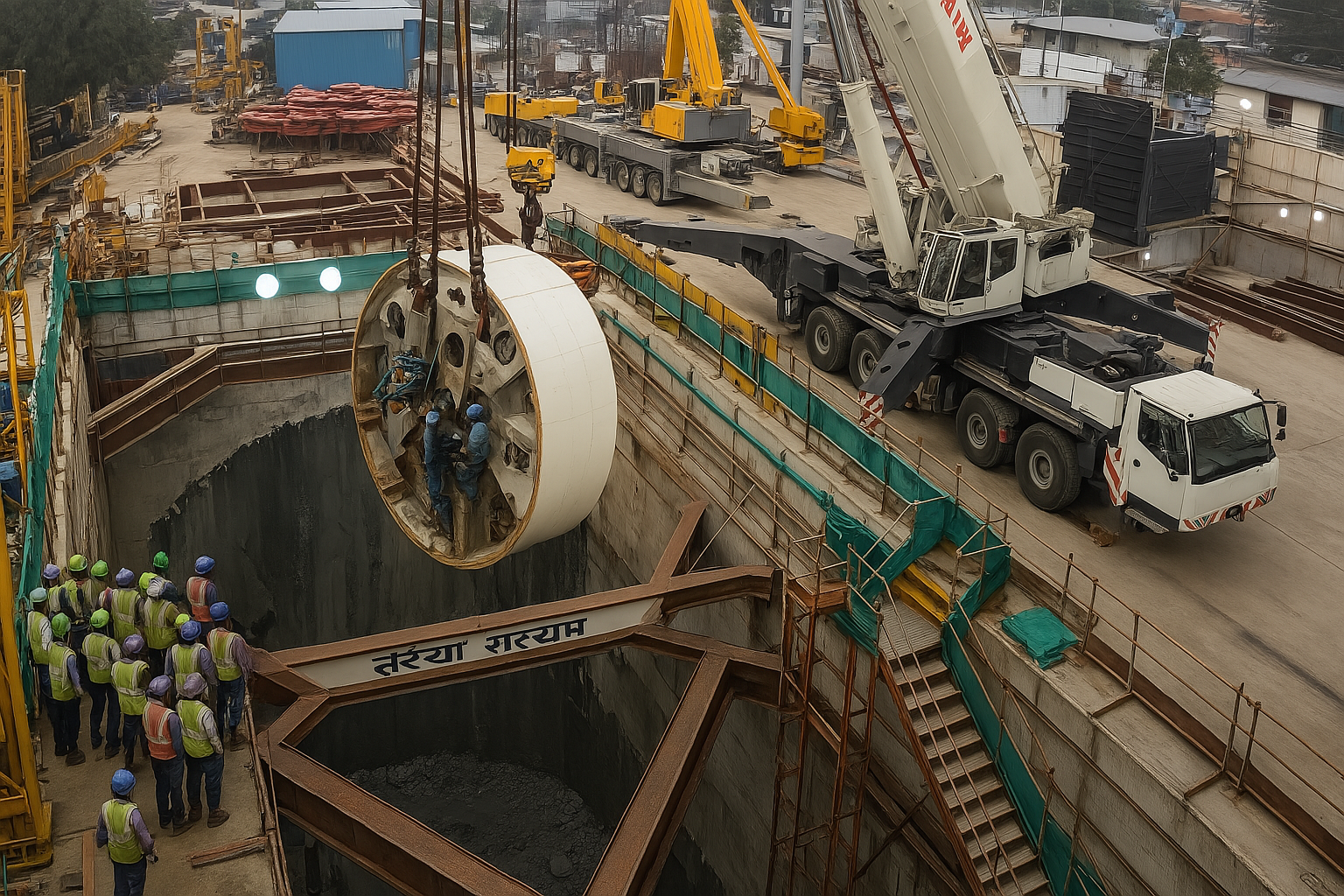
A precast panel or column for a building and a precast segment for a bridge or tunnel are engineered on the same principles but detailed against different demands. Linear infrastructure adds alignment: a bridge deck built from precast segments has to close a curve or a camber across dozens of units without the tolerance stacking up into a visible or structural problem by the last one. A tunnel lining built from precast rings has to seal against water ingress at every joint, in ground conditions that were modelled but not fully known until the ground was actually reached.
These are geometry and joint-detailing problems more than they are strength problems — the concrete mix and reinforcement design are usually the more straightforward part. The harder part is a detailing package precise enough that a segment cast in a plant today fits correctly against a segment cast three months ago, hundreds of kilometres away on the same alignment.
Mould control and the arithmetic of repetition
Repetition is the economics of a large precast programme, and it is also its main technical risk. A mould used to cast a hundred identical girders or tunnel rings means a single detailing error is not a single error — it is the same error a hundred times, discovered only when the units start arriving on site and something does not fit.
Treating this as a comparison problem rather than a one-off design task is what keeps it manageable: each casting run checked against the reference detail it is meant to replicate, mould wear and drift monitored over the life of the mould, and any deliberate change to the mould or the reinforcement cage tracked as a dated revision rather than folded in informally. On a programme spanning multiple casting yards, the same reference detail has to be issued and checked identically at every yard, since a mould drifting differently in two locations produces two versions of what was meant to be one standard component.
Connections, tolerances and the parts that must fit on site
A precast structure's performance is decided as much by its connections as by its elements. Grouted sleeve connections, shear keys, bearing details and the reinforcement continuity between one precast unit and the next all have to be detailed to accommodate the tolerances precast manufacturing and site erection actually achieve, not the tolerances a drawing would prefer they achieved. Segment size is rarely just a structural decision either: permitted road transport dimensions and weight limits often set the practical maximum size for a precast unit before the structural design does, and a detailing package that ignores the transport route from plant to site risks specifying an element that can be cast but not delivered. Corrosion protection for exposed reinforcement and embedded steel matters more on infrastructure than on most buildings, given the design life expected of a bridge or tunnel and the environmental exposure either can face.
Handling and transport loads are a separate detailing problem from the in-service loads the element was designed for, and they are often the loads that actually govern reinforcement in the early life of a precast unit — a girder or panel has to survive being lifted, stacked, transported and erected before it ever carries the load it was ultimately designed for.
Documentation and traceability at scale
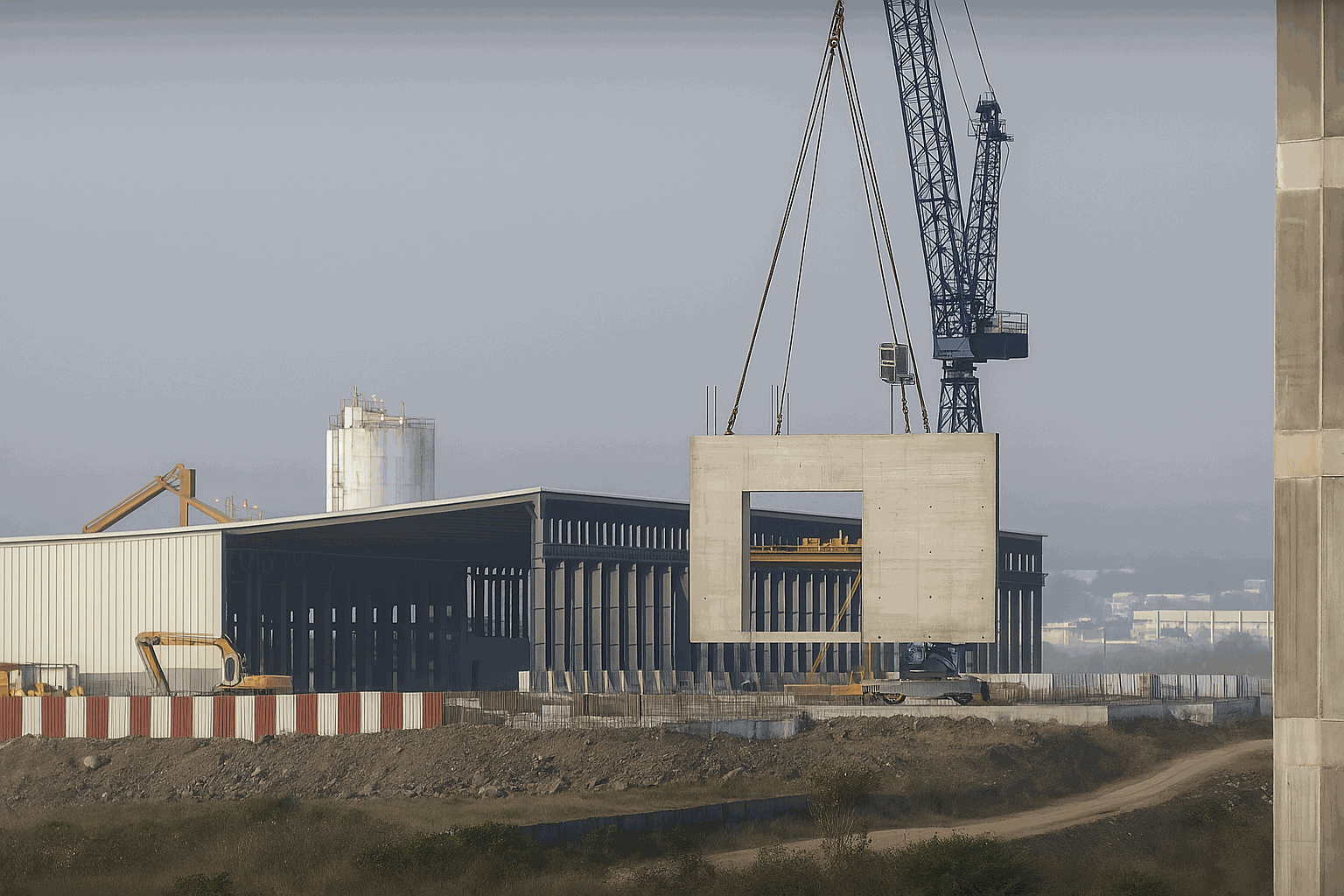
Every precast element on an infrastructure programme should be traceable back to its cast record: which mould, which pour, which mix design, which quality checks it passed, and which drawing revision it was made to. For elements that become structurally critical and effectively inaccessible once installed — a tunnel lining segment, a buried culvert, a bridge deck unit — that traceability is close to the only quality evidence that will still exist once the element is in place.
A register that ties each cast element to its detailing revision and its quality record is not paperwork layered on top of the engineering; it is the mechanism that lets a defect discovered in one unit be traced back to every other unit cast from the same mould in the same period, rather than treated as an isolated incident.
What a programme like this actually needs from its engineering partner
The policy and market conditions pushing more infrastructure toward precast will keep shifting, and the specific projections attached to that shift are a matter for market analysts rather than an engineering practice. What does not shift is what a precast infrastructure programme demands of the people detailing it: geometry and joints precise enough to close a long alignment, mould and casting control that treats repetition as a checked process rather than an assumption, connection and reinforcement detailing that accounts for handling loads and long design life, and a traceable record for every element that will become inaccessible once it is built in.
A partner capable of that is distinguished less by the volume of precast it has detailed and more by whether it can produce the check record behind any single element on request — which mould, which revision, which result.